Friday, July 26, 2013

'The Fast and the Furrious'


As many people know, Pittsburgh is a very diverse city. However, what many people don’t know is that Pittsburgh is diverse in more ways than just nationality and individual history. In fact, in the city where diversity and economic prosperity meet at the crossing of two rivers, there is a subculture - unique in its own way - that also uses this beautiful city as its assembly ground. The Furries.


For those of you who don’t know what a Furry is, it is a person who is a part of the Furry Fandom subculture. The Furry Fandom subculture is a subculture strongly interested in fictional anthropomorphic animal characters that behold the personalities and characteristics of human beings. It’s an incredible subculture in which people find comfort in dressing up in fursuits - suits that most closely resemble something of a mascot costume (though each Furry is far from a mascot) - many of which each Furry creates his or herself. While dressed to impress, each Furry takes on their individual “fursona” as they congregate at national conventions around the U.S. in which the Furries take workshops and share their love for literature, online culture, music and, well, being Furries.

And what do Furries have to do with Pittsburgh? It just so turns out that every year the largest Furry Convention in the world, known as Anthrocon, is held right here in the city of Pittsburgh. In fact, Anthrocon 2013, which was appropriately themed, “The Fast and the Furrious”,  was held only 3 weeks ago, from July 4th - July 7th, and was estimated to have hosted around 5,000 Furries and pumped over $3 million into the Pittsburgh economy! It’s a subculture that we here in Pittsburgh have learned to love and open our arms to as one of the many diverse aspect of our flourishing city.

For more information on Furries and Anthrocon, click here: www.anthrocon.org

Friday, July 19, 2013

Pittsburgh: A City of Firsts


Pittsburgh. It’s the ‘City of Champions’ and the ‘City of Bridges’, but did you know that Pittsburgh could also, for many things, be considered the ‘City of Firsts’? It’s true. In all of its ups and downs, Pittsburgh has continued to be a leader in original content! Pittsburgh is the city that developed the first Polio vaccination, the first banana split, the first emoticon :o and much, much more. So, living in such an original and innovative city, we here at Vibrant Pittsburgh decided to create a short ‘Did You Know’ list of three awesome things that originated in Pittsburgh!

Did You Know?

1. Zombies. While the concept of zombies may date back hundreds of years, because of its rich culture and history of zombie folklore, Pittsburgh is considered the “home of the zombie”. Carnegie Mellon alumni, George A. Romero, chose the city of Pittsburgh as the setting for “Day of the Dead” and Pittsburgh’s Monroeville Mall as the setting for “Dawn of the Dead”. In addition, Pittsburgh is known for hosting the largest ‘Walk of the Dead’ every October.

2. The Big Mac. Invented in 1967 by Pittsburgh’s very own, Jim Delligatti, the McDonald’s Big Mac was first created and distributed at Dellegatti’s south-east Uniontown, Pennsylvania restaurant. Designed to compete with the Big Boy, the Big Mac caught on like wild-fire and by 1968 was added to all U.S. McDonald’s menus.

3. The Ferris Wheel. Making its debut at the 1893 Chicago World Fair, the Ferris wheel was invented by Pittsburgh local, George Washington Gale Ferris, Jr. Ferris, who lived at 1318 Arch Street on the Central North Side, was an engineer working in the Pittsburgh Railroad industry when he first heard of the coming World Fair. After receiving backing from many famous Pittsburgh engineering companies, Ferris took his idea and began construction of the world’s first Ferris Wheel.


While at times Pittsburgh may seem like a small city, there is no doubt that it is filled with big ideas! Home to many innovative and globally impacting inventors, Pittsburgh is a city with a rich history and an even more promising future. If you’re interested in seeing some more of Pittsburgh’s firsts, stop by the Heinz History Center and check out the greatness that is the city of Pittsburgh.

Friday, July 12, 2013

A Pittsburgh Harvest


The city life. Loud honking cars. Hot bus fumes floating stale in the air. Fast paced pedestrians getting lost in anonymity of all encompassing sky scrapers. When you live in a city, life tends to move fast. And we here at Vibrant Pittsburgh know how nice it can be to take a step back from it all, leave the exhaust, pollution and grease behind and take a bite into some fresh - literally. That’s why here in Pittsburgh we have Farmers’ Markets.

Located in East Liberty, South Side, Bloomfield and many more neighborhoods, the Pittsburgh Farmers’ Markets sell a variety of fresh fruits, veggies, meats, cheeses and delicious baked goods! Including produce from such farms as Morning Dew Orchards, Clarion River Organics and over 20 others, the produce and goods at the Pittsburgh Farmers’ Markets are delivered from a variety of farms from around the region! And it’s not just a chance to eat fresh either. The Farmers’ Markets are a chance to meet new people, get a feel for the country that lies right outside the city's boundaries, and truly become a part of the Pittsburgh community!

So, endulge in the Pittsburgh lifestyle. Be the city slicker you're destined to be. And always remember to eat fresh. Buying fresh local goods supports the community we live in, allows the city to economically thrive and makes the Pittsburgh community a better place for all! For more information on the Farmers’ Markets locations, visit the Pittsburgh Citiparks website here: http://bit.ly/14dLaGX

Friday, July 5, 2013

A Bit of Pittsburgh History

File:Pittsburgh Fowler 1902.png


Independence Day having been yesterday, we here at Vibrant Pittsburgh are in quite a nostalgic mood! Sometimes with all the hustle and bustle of a city, it's easy to get caught up in your own life and forget about the millions that have come before you and the history of the town you live. So, for our Friday blog, we’ve decided to slow it down a bit and remind you of how the great city of Pittsburgh came to be.

Once a land inhabited by Native American tribes, it wasn’t until 1669 that the first European and French explorer, Robert de La Salle, traveled down the Ohio river in exploration, subsequently discovering the land where rivers meet. Years later, this claim of discovery would become a factor of the French and Indian War in which General John Forbes would victoriously siege Fort Duquesne, order the building of Fort Pitt (named after British Secretary of State, William Pitt the Elder) and ultimately name the area between the two rivers, ‘Pittsborough’.

In the the 1768 Treaty of Fort Stanwix, William Penn’s descendents purchased western lands from Native Americans. These lands are mostly known as present day Pittsburgh. In 1769 a survey of the land between the rivers was made in what was called, the ‘Manor of Pittsburgh’. Over the next few years, both Virginia and Pennsylvania would claim Pittsburgh as their own, and it wasn’t until 1780, when both states agreed to move the Mason-Dixon Line westward, that Pittsburgh became part of Pennsylvania.

Following the American Revolution, the village of Pittsburgh continued to grow, largely basing its economy on boat manufacturing for those hoping to enter Ohio Country. It was only in 1784 that the ‘Town of Pittsburgh’ was finished being mapped out, and in the following two years Pittsburgh officially became part of Pennsylvania (1785) and the Pittsburgh Post-Gazette was founded (1786). In 1787, Pittsburgh Academy (which ultimately become the University of Pittsburgh) was founded and as the population grew, Pittsburgh began manufacturing glass in 1797.

When supplies from Britain were cut off in the War of 1812, this stimulated the growth of American manufacturing. This gave Pittsburgh the chance to become a leader in the manufacturing of iron, brass, tin and glass products. As many Welsh immigrants started settling in Pittsburgh, by the 1840’s Pittsburgh had become one of the largest cities west of the Allegheny Mountains, until 1845 when a great fire burned down thousands of Pittsburgh buildings. The city ultimately rebuilt itself and by the Civil War, Pittsburgh took its first turn into a steel town when Andrew Carnegie founded the Edgar Thomson Steel Works in North Braddock (eventually this evolved into the Carnegie Steel Company).

By 1911, Pittsburgh was the countries 8th largest city and by World War II Pittsburgh produced over 95 million tons of steel, causing a thick dark smog to engulf the city. Following the war, however, the city of Pittsburgh began its clean air project known as the “Renaissance”, which was shortly followed by the “Renaissance II” project which was meant to develop Pittsburgh’s neighborhoods culturally. In the 1980’s, Pittsburgh experienced huge layoffs in the steel industry, spiralling the city into a short lived depression, of which it climbed out of as it began to focus its economy around education, services, tourism and healthcare.

While Pittsburgh today is only half as large as it was in the 1950’s, it has economically flourished throughout the late 2000’s recession, a time when most of the country was economically struggling. In fact, between 2006 and 2011, the Pittsburgh MSA had over a 10% appreciation in housing - the largest of the top 25 MSA’s in the United States. And in 2009, President Barack Obama personally picked Pittsburgh to host the G-20 on account of its history of economic flourishment and regeneration.

Thursday, June 27, 2013

Tasty Drinks on a Summer Night


It’s official! Last Friday was the first day of Summer and as most Pittsburghers know, now is the perfect time to celebrate by sharing a nice cold brew in the setting Summer sun. Luckily, Pittsburgh is a city who likes their drinks and with all the different breweries and restaurants around town, it shouldn’t be too hard to find the most fitting place for you! So, to help out the Pittsburgh newcomer, we’ve put together a small guide of some of Pittsburgh’s best places to grab a drink outdoors.

Grabbing a Drink in Pittsburgh:

1. Penn Brewery. If you’re looking for locally brewed pilsner - this is the place. Located on Troy Hill, Penn Brewery is a great place to grab a beer and some of Pittsburgh’s best German food. With seating both indoor and outdoor in the Summertime, Penn Brewery is a place where you can enjoy live music and actually watch as their beer is brewed!


2. Round Corner Cantina. With margarita and micheladas served in mason jars, this Mexican style corner bar combines the charm of blue collared Pittsburgh to create the perfect summer ambiance. While the inside aesthetic is great in its own right, the true draw of this Lawrenceville gem is its backyard patio. Tin top roofs held up by wooden beams, red adobe-esque brick layered floor, the Round Corner Cantina's backyard patio is the place to be on a warm Summer night.


3. Harris Grill. With great waiting staff, good food and some of the best cocktails in Pittsburgh, Harris Grill has become a Shadyside must. Located on Ellsworth Avenue, Harris Grill’s outdoor patio is an ideal place to start or end a fun evening with friends. And it’s best kept secret? While most bars have unlimited peanuts, on Tuesday nights Harris Grill has unlimited baskets of bacon!


While these are just three amazing places to grab a drink and some food on a Pittsburgh Summer night, this city is thriving with options! For a better idea of where to grab a good beer, check out Pittsburgh Magazine’s “The Burgh Beer Bible” here: http://bit.ly/QgbEmD

And for other great places to grab some food and drinks you can check out the Urbanist's guide here: http://bit.ly/14MgheL

Friday, June 21, 2013

The Coffee Spots

With over 100 million cups of coffee consumed daily by Americans, it’s clear that we all need our daily “pick me up”. And when you move to a new city and don’t know where to get that “pick me up” those first few weeks can tend to drag by slowly and painfully. Luckily, when it comes to living in a city like Pittsburgh, there are plenty of places to get a good cup of joe before you start your day!

Pittsburgh's Freshest Coffee Spots

1. Lili Cafe. Hidden at the bottom of one of Polish Hill’s steepest streets, there stands a little coffee shop known as Lili Cafe . With it’s worn wooden floors and rustic feel, the vibe of this coffee shop is something most people yearn for in their early morning routine. Their homemade baked goods and breakfast foods will make for a delicious start to your day, while their different styles of coffee will give you that extra pep in your step.


2. La Gourmandine. Located in the heart of Lawrenceville, where Lower Lawrenceville meets Upper Lawrenceville, you’ll find a quaint little French Bakery on Butler Street known as La Gourmandine. Being owned by a married couple, Fabien and Lisanne Moreau, both of whom were born and raised in France, La Gourmandine is one of the only opportunities to get a true taste of France from the comfort of Pittsburgh. While primarily a French bakery, La Gourmandine offers coffee and tea, both of which delightfully compliment the delicious smells and tastes of freshly baked pastries in the morning.


3. La Prima Espresso. Buried deep inside the hustle and bustle of the Pittsburgh’s Strip District, you’ll find La Prima Espresso. An Italian styled espresso bar that has become a second home to many regulars, La Prima Espresso is a coffee shop with a mission: to source, roast and brew quality coffee. And if you become hooked, as many Pittsburghers do, you’re welcome to buy your own freshly ground coffee and brewing equipment so you can taste that same great stimulating mug full from the comfort of your own home.


4. Beehive Coffeehouse & Dessertery. If you live on the other side of Pittsburgh, in the South Side, there is a zesty little coffee shop on East Carson street called Beehive Coffeehouse & Dessertery. A real down to Earth hole-in-the-wall kind of place, the Beehive is a great place to start your morning with the delicious welcoming taste of warm coffee and even warmer personalities. It’s lively painted murals and decor create a an energetic vibe that compliments its relaxed and easygoing vibe.


So, don't let your first few weeks of living in Pittsburgh drag by. Start your morning fresh. Grab a hot cup of joe. Taste the delicacy of countries like France and Italy from the town you call home. And enjoy one of the many coffee spots the great city of Pittsburgh has to offer!

Friday, June 14, 2013

A Park To Get Away

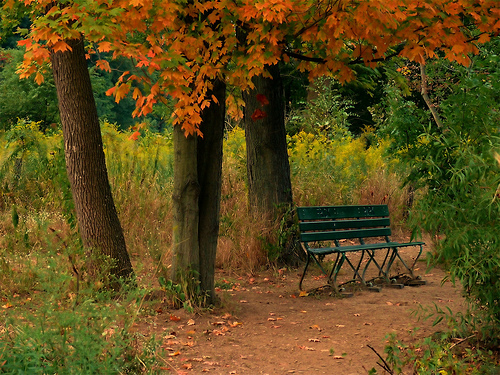
It’s a basic human need that stretches back to our primitive ancestors. To feel the rough bark of a tree within the palm of your hand. To hear the echo of insects calling to one another. And when the concrete sidewalks and exhaust fused air of a city become too much, it’s important to have a safe haven - a natural place to get away from it all. In Pittsburgh we have two such havens. Their names? Schenley Park and Frick Park.

Schenley Park is located between the neighborhoods of Oakland, Squirrel Hill and Greenfield. Today the park is 456 Acres and in 2011 was name one of “America’s Coolest City Parks” by Travel + Leisure Magazine. This historic park is home to 13 tennis courts, an all weather running track, an ice skating rink, soccer field, 18-hole disc-golf course, a public swimming pool, as well as an 18-hole golf course. In addition, Phipps Conservatory is located within the park, and the parks entrance is identified by Schenely Plaza - a plot of land speckled with food kiosks and a carousel residing next to the Carnegie Museum of Natural History.

The largest park in Pittsburgh is Frick Park. Conquering an entire 561 Acres of land, Frick park ranges from Point Breeze, into Squirrel Hill to the border of Edgewood. With its many hiking trails, along the paths can be found wild turkeys, foxes, owls and an abundance of other wildlife native to the area. Within Frick Park there is an area known as Blue Slide Park - named after the steep blue slides that snake their way down from the top of the hill. In addition to being a popular sledding area in the winter, Blue Slide Park was most recently made popular by professional rapper and native Pittsburgher, Mac Miller, who named his album “Blue Slide Park” after the area.

So when you feel the need to get away from it all - to kiss the sky scrapers and noise pollution goodbye for a few hours - think about the 1,000 acres of preserved land which, as a Pittsburgher, you have right in your back yard.


Schenely Park - Panther Hollow Lake
Frick Park - Nine Mile Watershed
Twitter Delicious Facebook Digg Stumbleupon Favorites More